
TikTok’s Evolution Into a Super App: From Short Videos to an All-in-One Digital Ecosystem
TikTok is rapidly transforming from a short-form video platform into a multi-functional “super app” that integrates e-commerce, travel services, search, entertainment, and even financial tools. This gradual expansion places it in direct competition not only with social media rivals but also with major players in tech, fintech, streaming, and online retail.
Table Of Content
Although TikTok is still best known globally as a dominant social media platform, its long-term strategy clearly points toward something much broader. Over the past few years, the company has systematically added new layers of functionality designed to keep users inside the app for as many daily activities as possible, reducing the need to switch between different digital services.
This approach mirrors the “super app” model pioneered in China, most famously by WeChat, which combines messaging, payments, shopping, services, and content consumption into a single unified ecosystem. While this model has proven highly successful in Asian markets, its scalability in Western countries remains uncertain due to different consumer habits and regulatory environments. Nevertheless, TikTok appears committed to testing how far this concept can be pushed outside China.
At the core of TikTok’s strategy is a shift from being a content-only platform to becoming a full digital utility layer for users.
TikTok Shop and the Rise of In-App Commerce
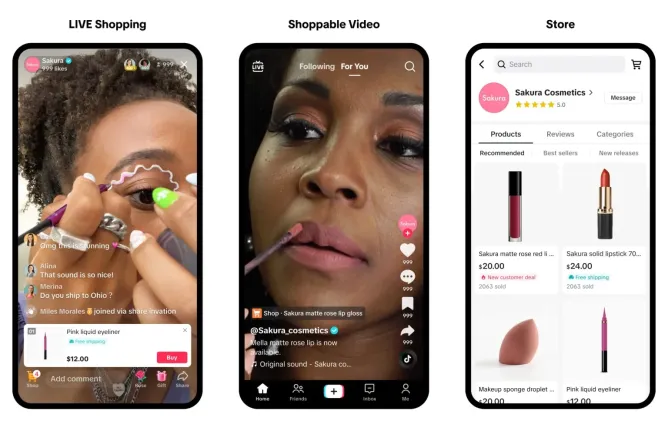
One of the most significant steps in this transformation has been the launch and rapid expansion of TikTok Shop. Initially introduced as an experimental feature and later rolled out in key markets such as the United States, TikTok Shop has turned the platform into a powerful social commerce engine.
Instead of relying on external e-commerce websites, TikTok now enables users to discover, evaluate, and purchase products directly within the app. Viral videos can instantly convert entertainment into transactions, effectively merging content consumption with retail behavior.
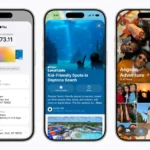
The growth of TikTok Shop has been substantial, with the platform capturing a meaningful share of social commerce revenue in the U.S. and expanding into new categories beyond low-cost goods, including more premium and luxury segments. Features such as gift cards and creator-driven storefronts further strengthen its position as a competitor to established e-commerce giants like Amazon and fast-fashion platforms.
Expanding Into Travel: Hotels and Experiences
TikTok has also moved into the travel industry with the introduction of tools that allow users to discover and book hotels, attractions, and experiences directly inside the app.
Through location-based content, search integration, and recommendation-driven video feeds, TikTok is increasingly positioning itself as a discovery engine for tourism and lifestyle planning. Users can watch travel videos, explore destinations, and complete bookings without leaving the platform.
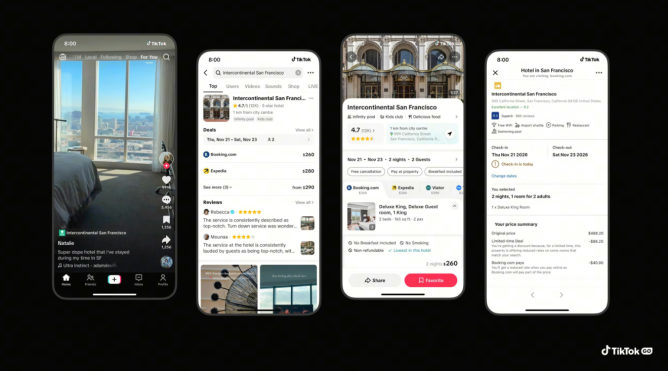
This strategy places TikTok in indirect competition with services such as Google Maps, Booking platforms, and travel agencies, as it shifts from inspiration to transaction within a single interface.
Financial Services and Fintech Ambitions
Another major step in TikTok’s super app strategy is its growing interest in financial services.
Reports indicate that the company has explored regulatory approvals in multiple regions to operate as a fintech provider, including services such as digital wallets, payment processing, and potentially lending products. These developments suggest that TikTok is working toward building an internal financial infrastructure similar to that of established super apps.

If successful, this would allow users not only to spend money within TikTok’s ecosystem but also to store funds, make payments, and potentially access credit services without leaving the platform. This expansion would significantly increase user retention and create new monetization opportunities beyond advertising and commerce.
Search, Maps, and Local Discovery
TikTok has also evolved into a powerful search engine for lifestyle and local discovery.
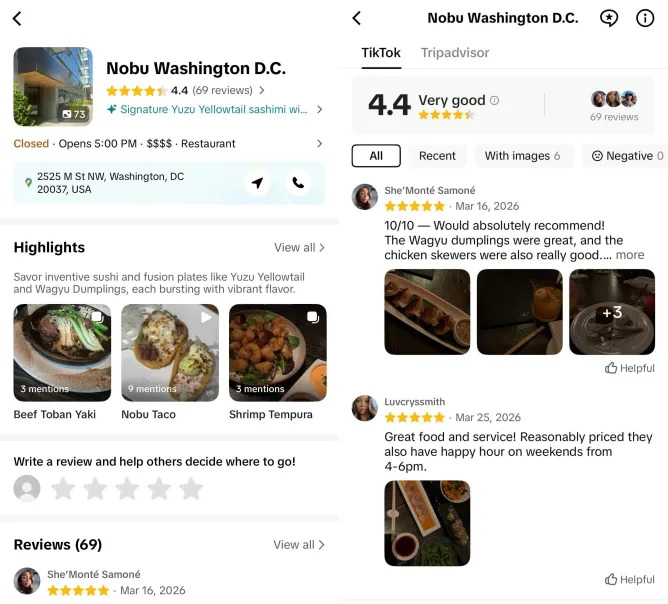
Users increasingly rely on the platform to find restaurants, travel destinations, product reviews, and local services through short-form video content. In response, TikTok has integrated richer informational layers into its app, including maps, business details, ratings, pricing information, and location-based recommendations.
This development reduces dependence on traditional search engines, particularly for experiential queries such as “where to eat” or “what to do nearby,” where visual content often provides more immediate value than text-based search results.
By combining search, discovery, and navigation-like features, TikTok is gradually encroaching on areas traditionally dominated by platforms like Google Search and Google Maps.
Entertainment Expansion: Music, Gaming, and Microdramas
Beyond commerce and utility services, TikTok is also expanding deeper into entertainment verticals.
In the music space, the platform has already reshaped how songs become popular by driving viral trends that directly influence global charts. While its standalone music streaming ambitions were scaled back, TikTok continues to integrate music functionality into its core experience, allowing users to access full tracks through partner services after discovery on the platform.
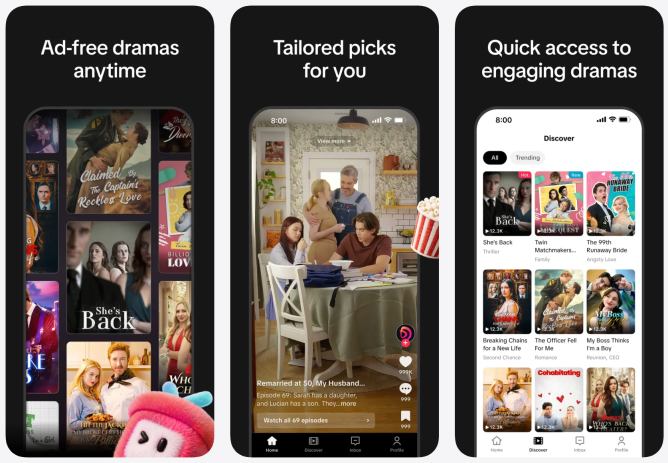
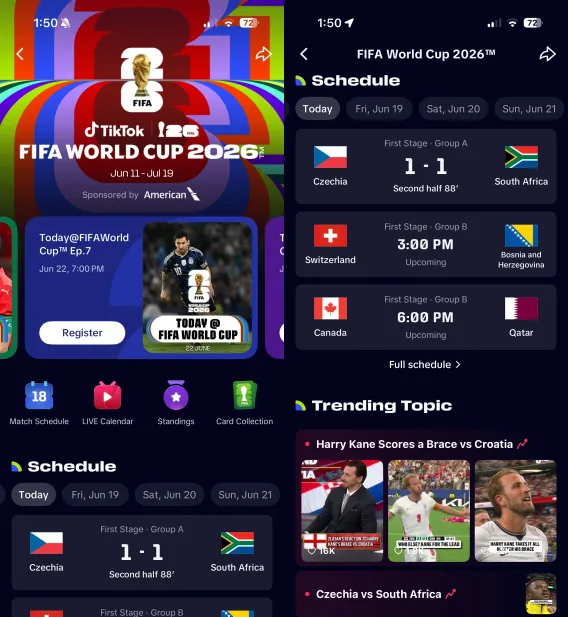
Gaming is another growing area, with casual in-app games designed to increase engagement and social interaction among users. These lightweight experiences further extend time spent within the app while reinforcing TikTok’s role as a social entertainment hub.
Additionally, TikTok has experimented with microdramas—short episodic scripted content designed for mobile consumption. This format positions the platform closer to streaming services like Netflix, while still maintaining its core identity centered on short-form video consumption.
Toward a Unified Digital Ecosystem
Taken together, these developments show a clear pattern: TikTok is systematically layering new services on top of its existing video platform to create a unified digital ecosystem.
Rather than functioning solely as a social media app, TikTok is evolving into a hybrid platform that combines entertainment, commerce, search, travel, and financial services into a single environment.

If successful, this strategy could redefine how users interact with digital services globally, transforming TikTok into one of the most comprehensive consumer platforms outside of Asia’s established super apps. However, it also raises questions about regulatory scrutiny, data control, competition with tech giants, and the feasibility of replicating the super app model in Western markets.
Regardless of the outcome, TikTok’s trajectory signals a broader shift in the tech industry: the convergence of multiple digital services into unified ecosystems designed to maximize engagement, monetization, and user dependency within a single app.